
A reflective workshop to develop emotional intelligence in order to move forward based on emotions that motivate collective action.
Managing collective emotions
Faced with the scale of the ecological crisis and its environmental and social impacts, it’s common to feel overwhelmed and powerless, and this can amplify a certain unease. Eco-emotions are what we can feel when faced with ecological issues, whether environmental or societal. For example, anger is often linked to a sense of injustice and the perception of insufficient action on the part of citizens, businesses, or politicians. Sophie Galabru « The Face of Our Anger. »
Environmental awareness also gives rise to pleasant emotions. Panu Pihkala explains that motivation and determination are linked to people’s desire to do something useful. Pleasure, joy, and pride can arise when people « take action » and adopt « pro-environmental » behavior.
In fact, according to Jeroen Kraaijenbrink , we all go through an emotional roller coaster when we change our behaviors. Awareness of the issues triggers denial, anxiety, shock, and so on. Then there’s a transition period during which we begin to accept that change is inevitable. Acceptance comes next, followed by impatience, hope, and finally energy and enthusiasm.
The prevailing thinking is that emotions and rational decisions don’t mix. And that when one is at work, the other must remain silent. But recently, Antonio Damasio, in « Descartes’ Error, » sheds light on how emotions manifest themselves in the close interrelationships between the body and the brain, and underlines the essential role of emotions in our decisions.
It is only recently that emotions have been recognized in the workplace. Excluding the issue of emotion from business is, in a sense, excluding the very notion of humanity, even though human issues are crucial to organizational performance.

Developing your emotional intelligence?
The Emotions Mural aims to contribute to the regeneration of employees within organizations by infusing human ecology. Welcoming emotions has a calming effect and energizes exchanges, and can promote efficient (or inefficient) collective action.
Emotional intelligence consists of recognizing one’s emotions but also understanding the signals that our emotions communicate to us in order to be able to move in full awareness of the phenomena that influence us and to communicate better within the collective to move together.
Moreover, the word emotion contains the word « motion » which in English can be translated as « movement ». Keltner & Gross give a relatively broad definition of emotions which, according to them, should be considered « as biologically based patterns of perception, experience, physiology, action and communication, characterized by their episodic, short-lived nature, and which occur in response to specific physical and social challenges and opportunities ».
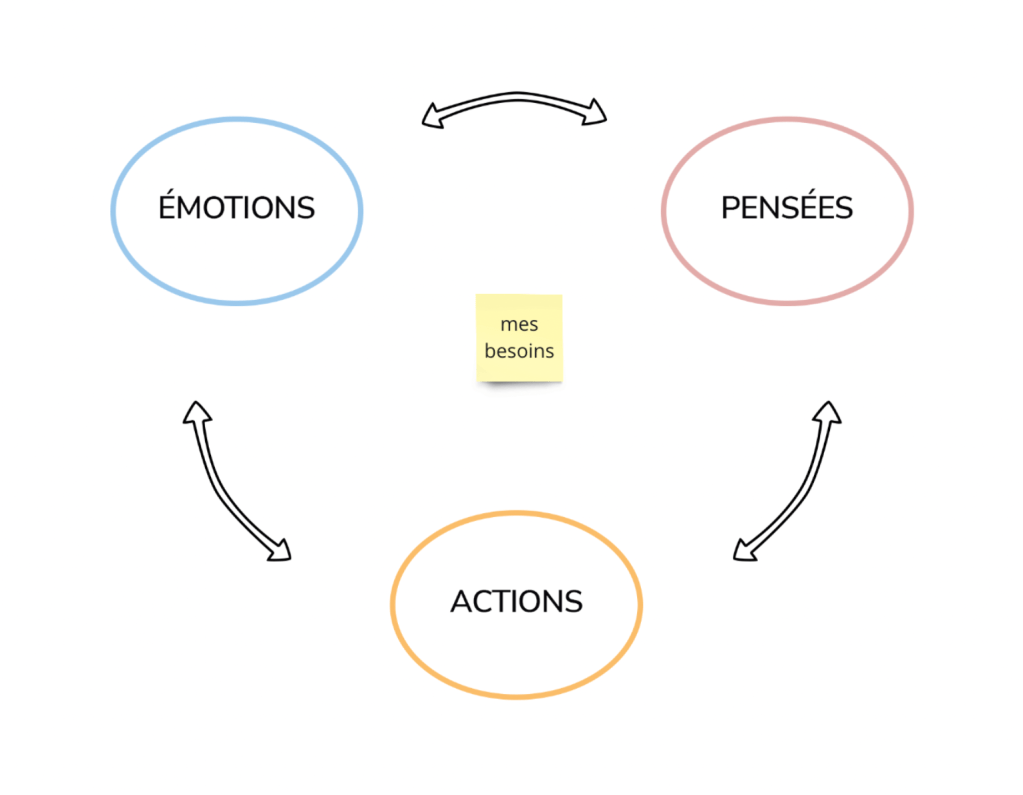
According to Beck’s » cognitive triad , » our behaviors, thoughts, and emotions are in constant interaction. Developing emotional intelligence involves becoming aware of the emotions, thoughts, and actions at play in the current life situation.
Discover the fresco of emotions
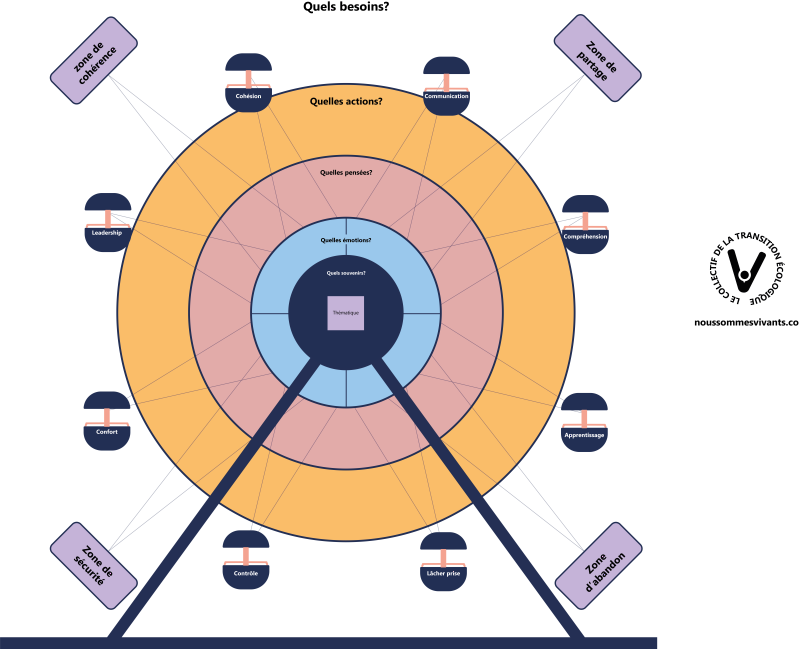
The fresco of emotions is a moment of taking a step back from one’s emotional functioning in order to develop one’s emotional intelligence individually and within a team.
This is a workshop that allows us to understand how emotions set us in motion (or not) and to become aware of the loops that form between our emotions, our thoughts and actions.
Following a series of theoretical contributions, participants share their experiences individually and benefit from collective feedback. At the end, each participant is invited to reflect on their emotions, thoughts, and actions and to (re)consider them in light of the chosen professional theme and their own challenges.
This is a thematic workshop. Participants choose a theme in a professional situation.
Possible themes
- “Mobilizing your teams on an environmental project”
- “Learning other ways of working”
- “Communicate better with colleagues”
- « Letting go »
Possible applications
- Communication
- Leadership
- Learning
- Decision making
The stages of the workshop:
- Inclusion session
- Choose a big theme like letting go
- Sharing a memory in the professional sphere
- Take a step back from this memory to name the emotional states experienced
- Fully feel the sensations felt at that moment
- Become aware of the thoughts linked to these emotions and sensations
- List the reactions they cause with their consequences
- Dig into your unconscious needs by identifying your primary needs
- Make your diagnosis: emotions – thoughts – actions
- Share it (or not) and take a step aside (or not) to be more efficient
Ask us for a quote for a tailor-made session
We are deploying the Fresco of Emotions in businesses and local communities to cultivate emotional intelligence in order to move forward based on emotions that motivate collective action.
Tailor-made discovery session: 1,500 euros / 10 people (local authority or association rates on request)
Feedback: Talents for the Planet
Articles to go further
- The role of emotions in learning HERE
- The 4 main types of eco-emotions felt in the face of the ecological crisis (based on the 4 imaginaries of ecology) (here)
- Eco-emotions and eco-anxiety. How to develop your emotional intelligence? A thought-provoking note to read HERE
- Biophilia to combat eco-anxiety, through wonder, gratitude, and the joy that nature provides. A note for reflection to read HERE
- Beliefs about emotions influence how people feel, act, and interact with others (here)
- What Olympic athletes can teach us about managing emotions under pressure HERE
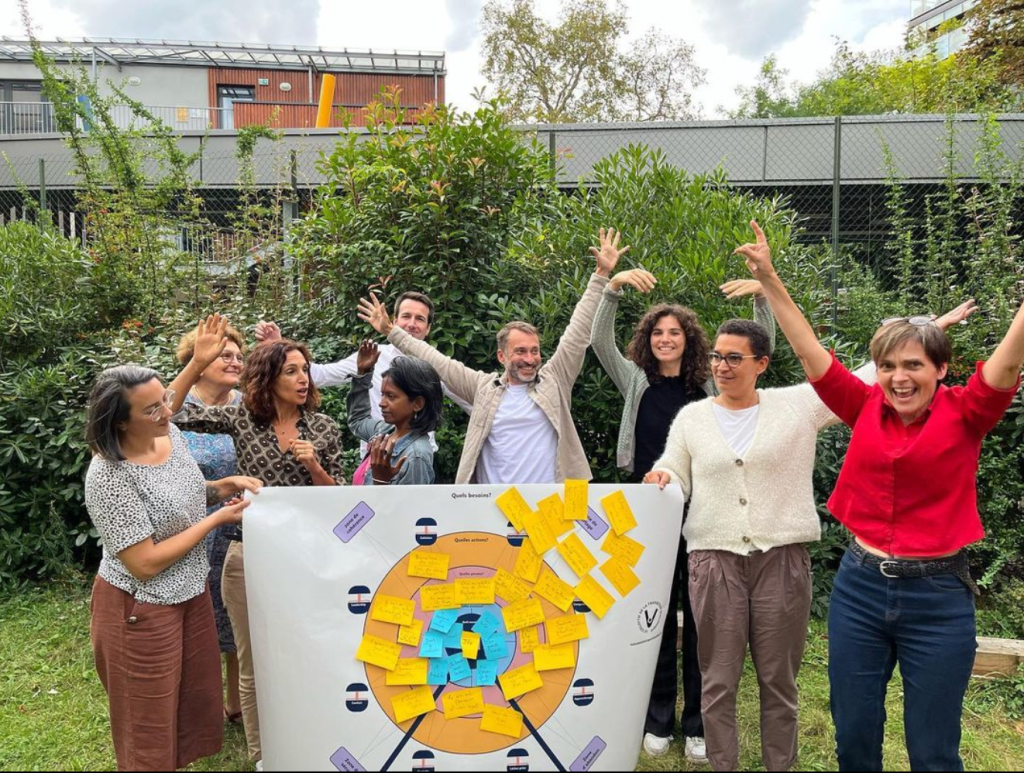
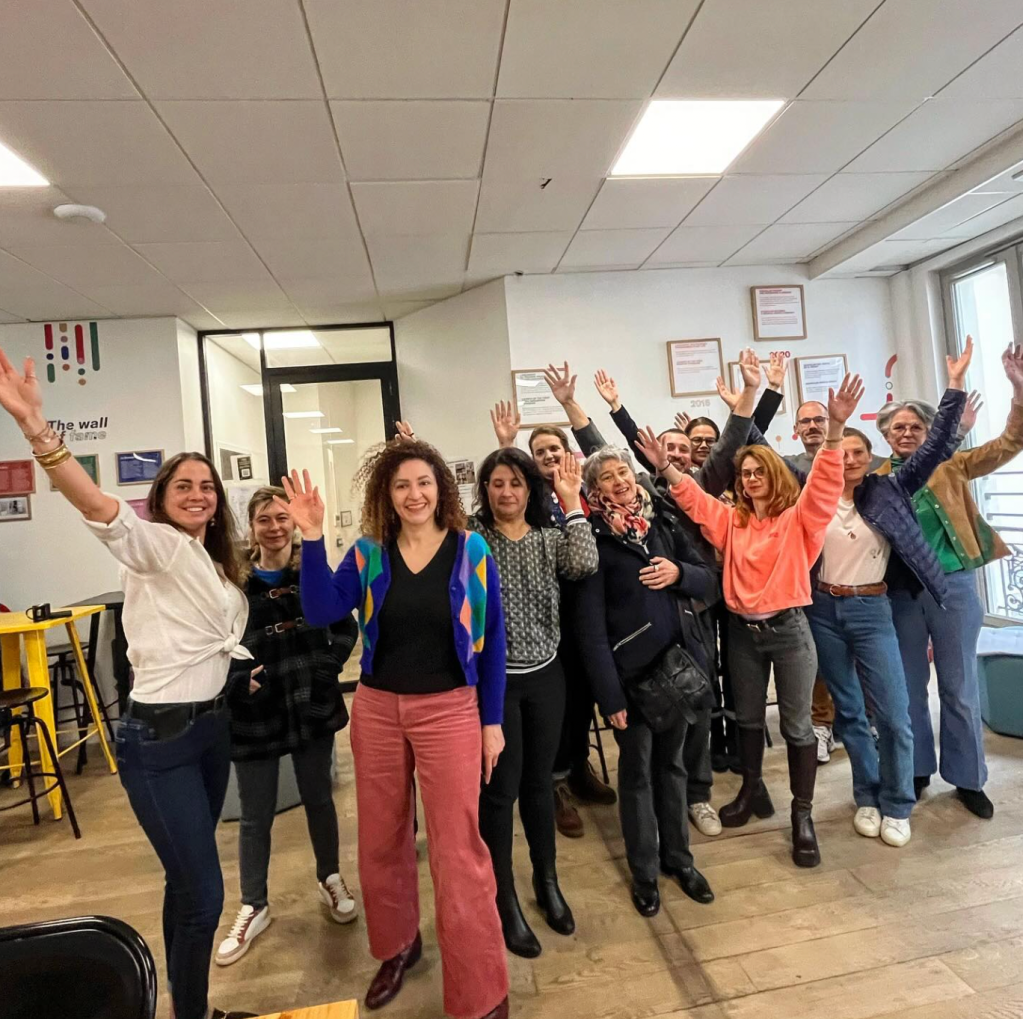
What the participants of the fresco of emotions say
“It’s a learning process that requires practice to become second nature, but a first session is enough for participants to build relationships on another level.”
— HR Director
“The fresco of emotions allows you to experience the different stages well and next time I will look at the situation from a higher level.”
— participant
“It gave me new impetus for my project”
— participant
“The fresco of emotions allows us to regain power over our wishes, actions, emotions to transform them into a driving force!”
— participant
« We realize how important it is to align our thoughts and actions in order to hope to derive pleasant emotions from them. »
— participant
 NOUS SOMMES VIVANTS, LE COLLECTIF DE LA TRANSITION ÉCOLOGIQUE
Laisser un commentaire